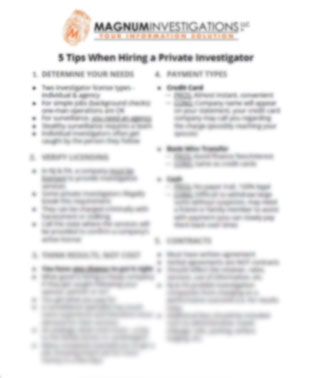
Hiring a private investigator is a significant decision that requires careful consideration and due diligence.
Whether you're dealing with a personal matter or a business concern, avoiding common mistakes can save you time, money, and potential legal headaches. Let's explore the critical errors people often make when hiring private investigators and learn how to avoid them.
Not Conducting Proper Background Checks
One of the most crucial mistakes people make is failing to verify a private investigator's credentials and background. Remember, you're trusting this person with sensitive information and potentially significant financial resources.
- Verify their current license status through your state's licensing board
- Research their business history and professional reputation
- Check for any complaints or disciplinary actions
- Request and verify professional references
A legitimate private investigator should welcome these inquiries and be transparent about their credentials. If they become defensive or evasive, consider it a red flag.
Pro Tip: Always ask for their license number and insurance information upfront. A professional investigator will have both readily available.
Ignoring Specializations and Experience
Private investigators often specialize in specific types of cases, and hiring someone without the right expertise for your situation can lead to disappointing results.
Different types of investigations require different skill sets:
- Infidelity investigations
- Corporate fraud
- Missing persons
- Background checks
- Surveillance operations
When evaluating a private investigator's experience, ask about their success rate with cases similar to yours.
An investigator should be able to provide general examples of how they've handled similar situations while maintaining client confidentiality.
For instance, our company solely focuses on domestic surveillance cases such as cheating, child custody, and alimony which has led us to be the best detective agency in New Jersey and Pennsylvania when it comes to these types of investigations.
Failing to Discuss Fees and Terms Upfront
Financial surprises can be particularly unpleasant when dealing with private investigation services. Many clients make the mistake of not getting a clear understanding of all costs involved.
"The most common complaint we see is about unexpected costs. Always get a detailed breakdown of fees and potential expenses in writing before proceeding with any investigation."
- Professional Investigators Association
Key financial aspects to discuss include:
- Hourly rates vs. flat fees
- Retainer requirements
- Travel expenses and mileage charges
- Equipment or technology fees
- Report writing and documentation costs
- Court appearance fees
Important: Always get a written contract that clearly outlines all fees, terms, and deliverables before beginning any investigation.
Neglecting Communication and Rapport
The success of your investigation often depends on the quality of communication between you and your investigator. Poor communication can lead to misunderstandings, missed opportunities, and wasted resources.
Essential communication points to establish:
- Preferred method of communication (phone, email, text)
- Frequency of updates
- Emergency contact protocols
- Reporting format and schedule
Take time during the initial consultation to assess whether you feel comfortable with the investigator's communication style and professional demeanor. Trust your instincts – if something feels off, it probably is.
Overlooking Legal and Confidentiality Considerations
Private investigations must operate within legal boundaries, and failing to understand these limitations can compromise your case or even lead to legal troubles.
Legal Reminder: Surveillance laws vary by state. Ensure your investigator is well-versed in local regulations and willing to explain what methods are legally permissible.
Key legal and confidentiality aspects to address:
- Privacy laws and surveillance restrictions
- Data protection and information handling
- Evidence collection methods
- Confidentiality agreements
- Court admissibility of evidence
Consider having your attorney review any contracts or agreements before signing. This extra step can protect your interests and ensure the investigation's findings will be useful if legal action becomes necessary.
Final Thoughts
Hiring a private investigator is a significant decision that requires careful consideration of multiple factors. By avoiding these common mistakes, you'll be better positioned to find a qualified professional who can effectively handle your case while protecting your interests and investment.
Remember to take your time during the selection process, ask plenty of questions, and get everything in writing. The right investigator will understand and respect your need for due diligence and will work with you to establish clear expectations and guidelines for your investigation.