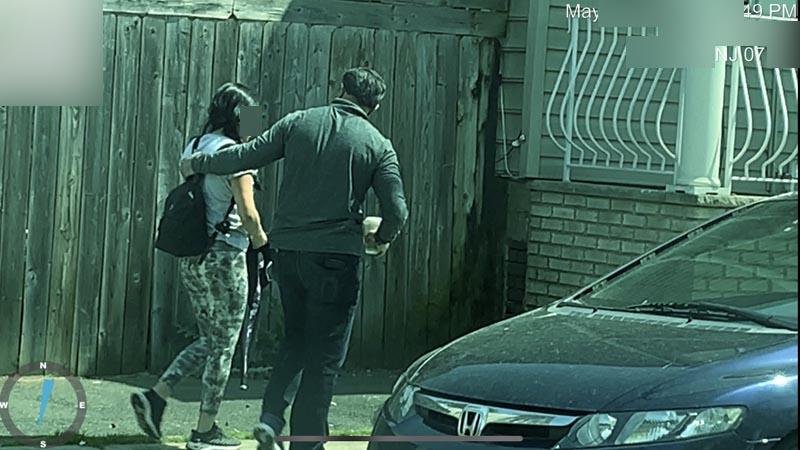
Many people believe private investigators can legally wiretap phones and break into homes, according to surveys on public perception of PI capabilities.
This dangerous misconception stems from decades of Hollywood dramatizations that bear little resemblance to reality.
The truth is that licensed private investigators operate within strict legal boundaries while providing one crucial advantage over ordinary citizens: the ability to conduct professional surveillance and documentation that holds up in court.
What Private Investigators Can Legally Do
Licensed private investigators possess specific legal advantages that distinguish them from private citizens, though these privileges remain far more limited than most people realize.
Key legal capabilities include:
- Conduct surveillance on public property without being subject to harassment or stalking laws
- Access public records efficiently through professional databases and established relationships
- Interview witnesses and gather statements for legal proceedings
- Document evidence professionally using specialized equipment and techniques
- Operate on private property with proper authorization from property owners
The most significant advantage centers on surveillance rights. While ordinary citizens who follow someone repeatedly could face harassment charges, licensed private investigators can legally track and document an individual's public activities as part of their professional duties.
This distinction proves invaluable for child custody investigations, where documenting a parent's behavior in public spaces can reveal concerning patterns like substance abuse, reckless driving, or inappropriate companions around children.
For property access, investigators gain significant flexibility when clients grant permission. A homeowner can authorize video surveillance on their own property to monitor household activities during their absence, regardless of their spouse's consent.
What Private Investigators Cannot Do
Despite popular misconceptions, private investigators face the same legal restrictions as any other citizen in most areas, with severe penalties for violations.
Prohibited activities include:
- Trespassing on private property without explicit owner permission
- Wiretapping phones or intercepting communications without proper legal authority
- Accessing confidential records like medical files, bank statements, or credit reports illegally
- Impersonating law enforcement officers or other official personnel
- Breaking any local, state, or federal laws during investigations
The wiretapping prohibition deserves special attention. Unlike television portrayals, private investigators cannot legally tap phone lines, install listening devices, or intercept electronic communications without following strict federal wiretapping laws that typically require court orders.
"The biggest shock for new clients is learning that we can't just hack into someone's phone or social media accounts. Everything we do must be completely legal and admissible in court."
Chris Halscheid, Owner of Magnum Investigations
Even seemingly minor boundary crossings can invalidate entire investigations and expose both the investigator and client to criminal charges.
New Jersey and Pennsylvania Specific Regulations
Both New Jersey and Pennsylvania maintain strict licensing requirements for private investigators, though specific regulations vary between states.
| Requirement | New Jersey | Pennsylvania |
| License Required | Yes | Yes |
| Background Check | FBI & State | State & Federal |
| Training Hours | 25 hours | 40 hours |
| Insurance Required | Yes | Yes |
| Renewal Period | 2 years | Annual |
New Jersey requires investigators to complete 25 hours of approved training and pass a comprehensive examination covering state laws, surveillance techniques, and legal limitations. Pennsylvania mandates 40 hours of training with additional continuing education requirements.
Both states prohibit unlicensed individuals from advertising private investigation services or accepting payment for investigative work. Violations can result in criminal charges and civil penalties exceeding $10,000.
The licensing process includes extensive background checks, fingerprinting, and character references. Applicants with certain criminal convictions face automatic disqualification, ensuring only trustworthy professionals enter the field.
Surveillance Laws and Privacy Rights
Understanding surveillance boundaries requires balancing legitimate investigation needs with individual privacy rights protected under state and federal law.
Private investigators can legally photograph or videotape anyone in public spaces where no reasonable expectation of privacy exists. This includes sidewalks, parks, shopping centers, and other publicly accessible areas.
However, privacy expectations change dramatically on private property. Recording someone through their bedroom window violates privacy laws even from a public street. Similarly, using telephoto lenses to capture activities inside homes typically crosses legal boundaries.
"Under the Fourth Amendment, a person is protected where there is a "reasonable expectation of privacy." This means that if an individual takes steps to keep something private, investigators cannot legally circumvent those measures without following proper legal procedures."
Articulated in the Supreme Court case Katz v. United States, 389 U.S. 347 (1967)
This principle directly impacts cheating spouse investigations and alimony cases. Investigators can document public meetings, restaurant visits, or hotel entrances, but cannot record private conversations or activities inside residences without consent.
Audio recording laws add another complexity layer. New Jersey requires all parties to consent to conversation recording, while Pennsylvania follows federal one-party consent rules. Professional investigators navigate these differences carefully to ensure evidence admissibility.
How to Verify Your PI is Operating Legally
Protecting yourself from unlicensed or illegal practices requires due diligence before hiring any investigative service.
Follow these verification steps:
- Confirm current licensing status through your state's professional licensing board
- Request proof of liability insurance and bonding documentation
- Ask detailed questions about their investigative methods and legal limitations
- Verify they provide written contracts outlining services and legal boundaries
- Check references from recent clients and review online testimonials
Red flags include investigators who promise results that sound illegal, refuse to provide licensing information, or cannot explain how they plan to obtain certain evidence legally.
Magnum Investigations maintains full licensing in both New Jersey and Pennsylvania, carries comprehensive liability insurance, and provides detailed contracts explaining exactly what legal methods will be used in each case.
Ask specific questions about methodology: "How will you document this behavior legally?" or "What happens if you cannot access this information through legal channels?" Professional investigators welcome these discussions and use them to set realistic expectations.
Legitimate private investigation firms encourage client questions about legal boundaries and never pressure clients to approve questionable tactics. If an investigator suggests anything that sounds legally questionable, seek a second opinion immediately.
The investment in professional, licensed investigation services pays dividends when your case reaches court. Evidence gathered through proper legal channels withstands scrutiny, while illegally obtained evidence gets excluded and can damage your entire case.
Ready to discuss your case within proper legal boundaries? Get a free 30-minute consultation with licensed investigators who prioritize legal compliance and courtroom-ready evidence. Our client testimonials demonstrate the power of professional investigation conducted within the law.